
Cinema has often explored the idea of borders, belonging, and the desire for a better life, and one film that subtly captures these themes is The Two Faces of January (2014).
Set against the sun-drenched backdrop of the Mediterranean, the film uses its locations and characters to reflect deeper questions about identity, freedom, and the choices people make when trying to redefine their future.
Directed by Hossein Amini and based on the novel by Patricia Highsmith, the story unfolds in the early 1960s and follows an American couple traveling through Southern Europe. Their outward elegance and apparent wealth mask a growing sense of instability, both personal and financial. As the narrative moves from one historic city to another, the Mediterranean landscape becomes more than a setting—it acts as a symbol of escape, opportunity, and reinvention. The warm light, ancient ruins, and open horizons contrast sharply with the moral ambiguity of the characters.
What makes the film especially compelling is the way movement itself drives the story. Trains, hotels, ports, and archaeological sites create a constant feeling of transition. The characters are always passing through, never fully rooted, suggesting that mobility can be both liberating and unsettling. This sense of impermanence resonates strongly with modern audiences, particularly in an era where relocating abroad for lifestyle, work, or investment reasons has become increasingly common.
Although the film never explicitly discusses contemporary migration policies, it indirectly touches on ideas that feel very current. The desire to live freely in another country, to benefit from its culture, safety, and quality of life, echoes modern concepts such as the golden visa, which today represents a structured path to residency through investment. In the film, however, the pursuit of freedom is far more fragile, dependent on deception rather than legality, and this contrast adds to its dramatic tension.
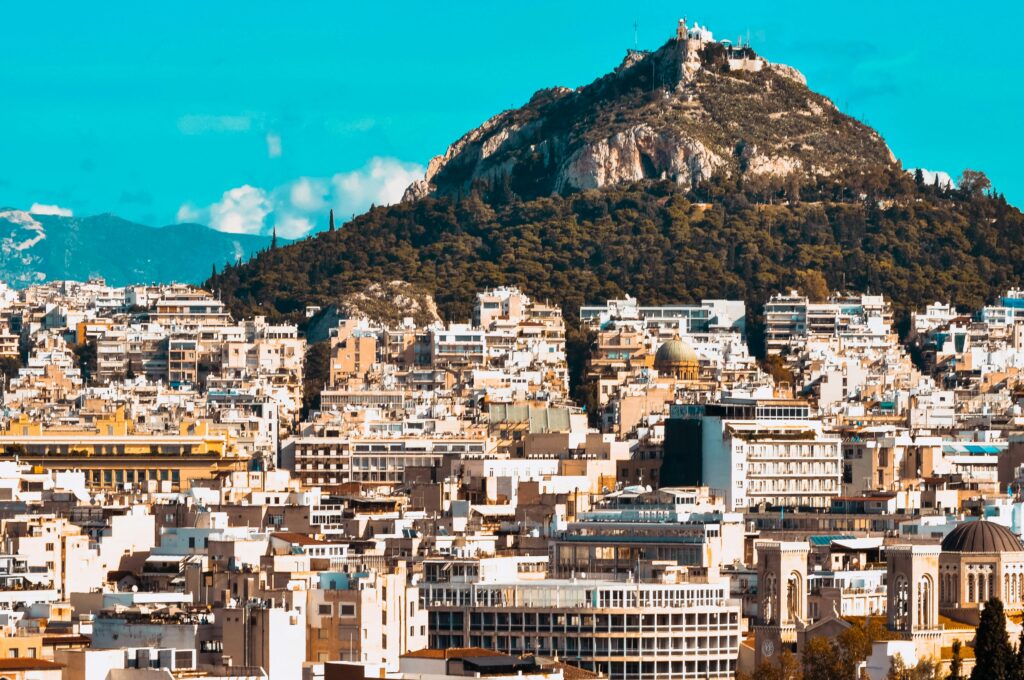
Visually, The Two Faces of January stands out for its careful use of architecture and space. Ancient temples and narrow streets highlight Europe’s layered history, reminding viewers that civilizations have always been shaped by movement and exchange. The film’s slow pacing allows these environments to breathe, drawing the audience into a world where beauty and danger coexist.
Ultimately, the film is less about crime and more about consequences. It explores what happens when people attempt to rewrite their lives without confronting their past. Through its elegant cinematography and psychological depth, it offers a timeless reflection on ambition, escape, and the cost of starting over—making it a quietly powerful example of how cinema can mirror real human aspirations within a fictional frame.