
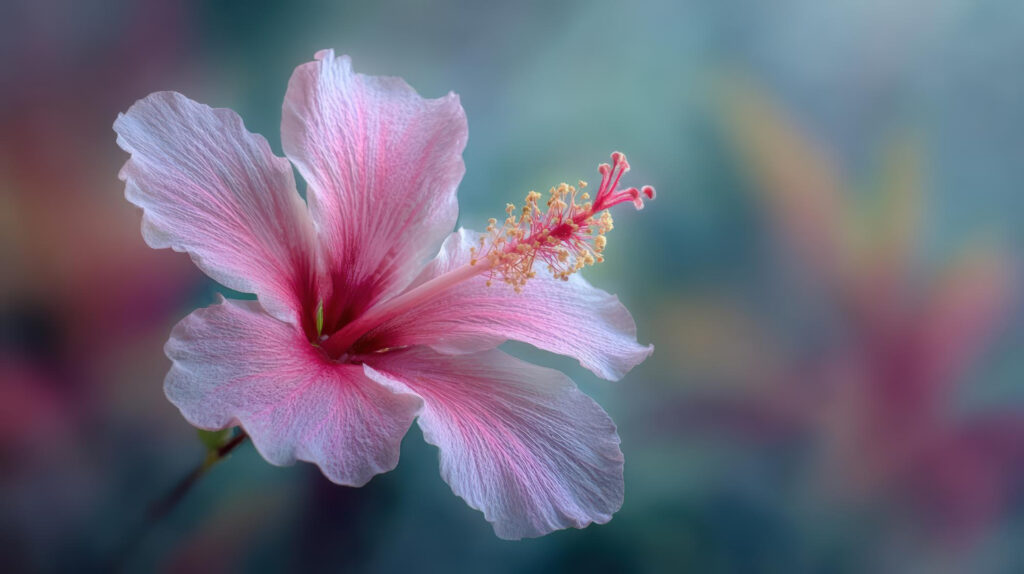
Hibiscus plants reward gardeners with spectacular, tropical-looking flowers when given plenty of light, warmth, and consistent moisture. Choosing the right variety and protecting it from unsuitable temperatures are the keys to long-lasting growth.
Few garden plants create an instant tropical atmosphere quite like hibiscus. Known for its large, trumpet-shaped flowers and lush green foliage, hibiscus can become a striking feature on a patio, balcony, or garden border.
Choosing the Right Hibiscus
There are two major groups beginners should understand: tropical hibiscus and hardy hibiscus.
Tropical varieties prefer warm conditions and cannot tolerate freezing temperatures. They work particularly well in containers because gardeners in colder climates can move them indoors for winter.
Hardy hibiscus varieties are considerably more cold-tolerant. Depending on the variety and local climate, they can return each year even after the above-ground growth dies back during winter.
Light, Soil, and Water
Hibiscus generally performs best with plenty of sunlight. A location receiving around six or more hours of good sunlight can encourage vigorous growth and abundant flowering, although protection from extreme afternoon heat may be useful in particularly hot climates.
Plant hibiscus in fertile, well-draining soil. Container-grown plants should always have drainage holes so excess water cannot remain around the roots.
Unlike drought-tolerant plants such as snake plants, hibiscus appreciates consistent moisture. Check the soil regularly during hot weather, especially when growing the plant in a container. The goal is moist soil rather than permanently soggy conditions.
| Requirement | Hibiscus Preference |
|---|---|
| Light | Plenty of sunlight |
| Soil | Fertile and well-draining |
| Water | Regular, consistent moisture |
| Temperature | Depends on tropical or hardy variety |
| Feeding | Regular feeding during active growth |
Encouraging More Hibiscus Flowers
Regular feeding during the growing season can support both healthy foliage and flower production. Avoid excessive fertilizer, particularly formulas that encourage lots of leafy growth at the expense of blooms.
Removing damaged growth and spent flowers also keeps the plant tidy. Watch for common pests such as aphids, spider mites, and whiteflies, particularly on plants kept in warm conditions.
With the right variety and a sunny position, hibiscus is surprisingly manageable. Give it warmth, good drainage, regular moisture, and basic seasonal attention, and those spectacular flowers can become one of the highlights of your garden.