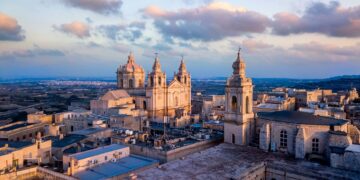



























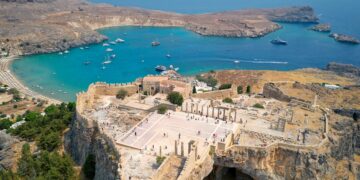







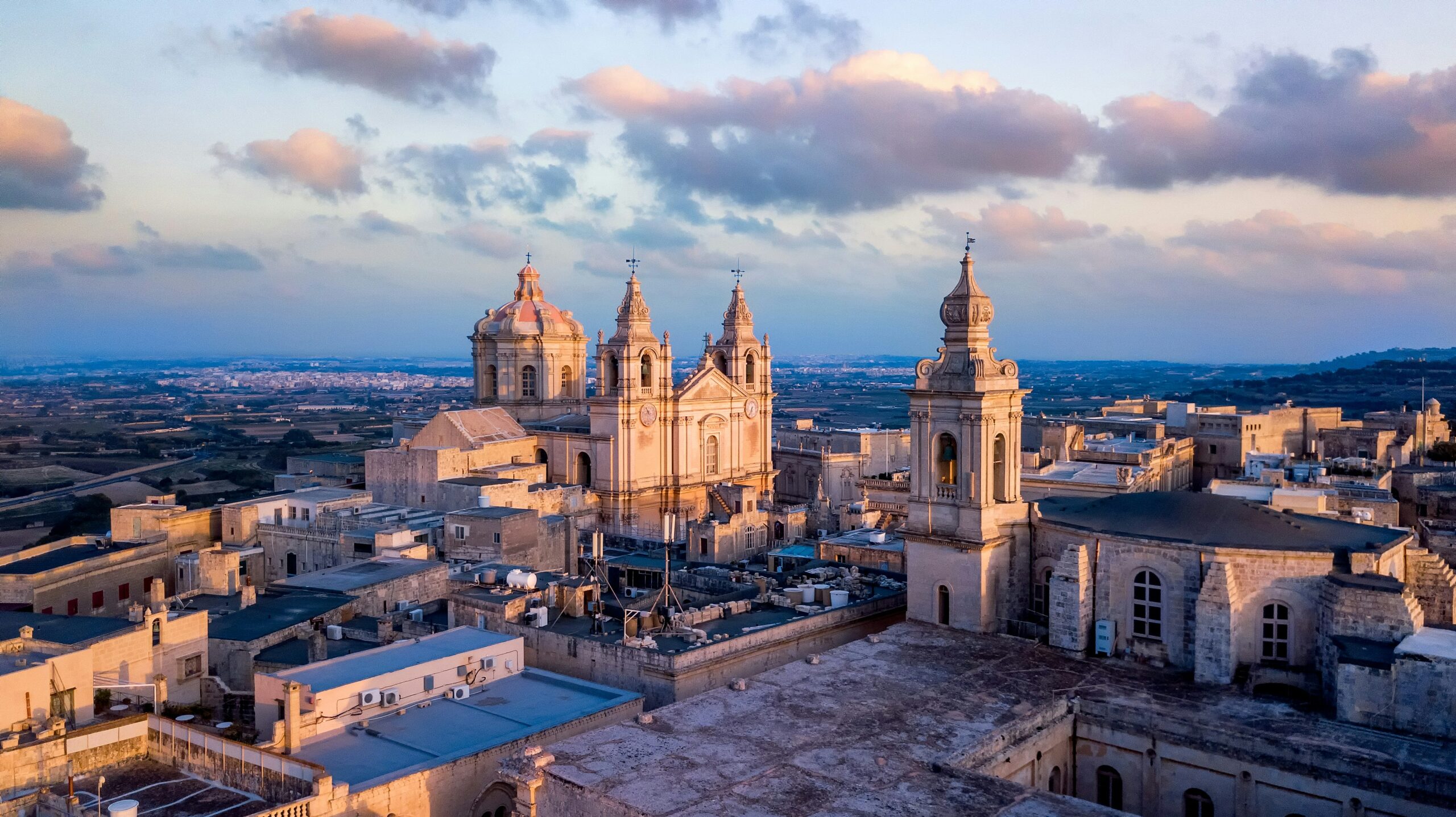
Malta has long been a cinematic jewel of the Mediterranean, offering filmmakers a rare combination of dramatic landscapes, historical architecture, and reliable sunlight.
One of the most iconic films directed and partially shot in Malta is Gladiator (2000), directed by Ridley Scott. The epic historical drama, starring Russell Crowe, transformed the Maltese islands into ancient Rome, proving that Malta could convincingly stand in for some of the most legendary locations in world history. Much of Gladiator’s visual power comes from its carefully chosen filming locations. Fort Ricasoli, perched on the edge of the Grand Harbour, became the backbone of Rome’s Colosseum. Massive sets were constructed against the fortress walls, while Malta’s limestone textures gave the scenes an authentic, timeworn appearance. Combined with digital enhancements, the result was a cinematic illusion so convincing that audiences around the world believed they were witnessing the heart of the Roman Empire.
Beyond Fort Ricasoli, Malta’s natural scenery played a crucial role in shaping the film’s emotional tone. The island’s rugged coastline and open plains were used to depict battlefields and remote provinces of the empire. These landscapes added a sense of isolation and grandeur, reinforcing the film’s themes of exile, honor, and destiny. Director Ridley Scott famously praised Malta for its versatility, noting that few places could offer such varied backdrops within short traveling distances.
The impact of Gladiator on Malta went far beyond the screen. The production injected significant investment into the local economy and further established Malta as a premier destination for international film productions. Skilled local crews, favorable filming regulations, and decades of experience at the Malta Film Studios made the island an attractive choice for large-scale productions. Following Gladiator, numerous high-profile films and series, including Troy, World War Z, and Game of Thrones, followed in its footsteps.
For cinema lovers, Malta today offers a unique opportunity to walk through film history. Many filming locations remain accessible, allowing visitors to experience firsthand the places where iconic scenes were created. The blend of ancient fortifications, sunlit stone architecture, and sweeping sea views creates a powerful sense of immersion, even years after the cameras stopped rolling. Staying at a centrally located hotel malta allows travelers to explore these cinematic landmarks while enjoying the island’s modern comforts.
Ultimately, Gladiator did more than win Academy Awards; it reshaped Malta’s identity on the global cultural map. The film showcased how a small Mediterranean nation could host productions of epic scale without sacrificing authenticity or artistic quality. Today, Malta stands not only as a beautiful travel destination but also as a living film set, where history, storytelling, and cinema continue to intersect in unforgettable ways.